Aurin–Miraculum 30 – Anniversary Programme

Aurin–Miraculum 30th Anniversary

Client:
Aurin and Miraculum Foundation
Project:
Aurin–Miraculum 30th Anniversary
Duration:
April 2026 –
Services:
Project coordination, Graphic design, Webdesign, Communication, Photography, Videography

choir singers

Staff members

anniversary events

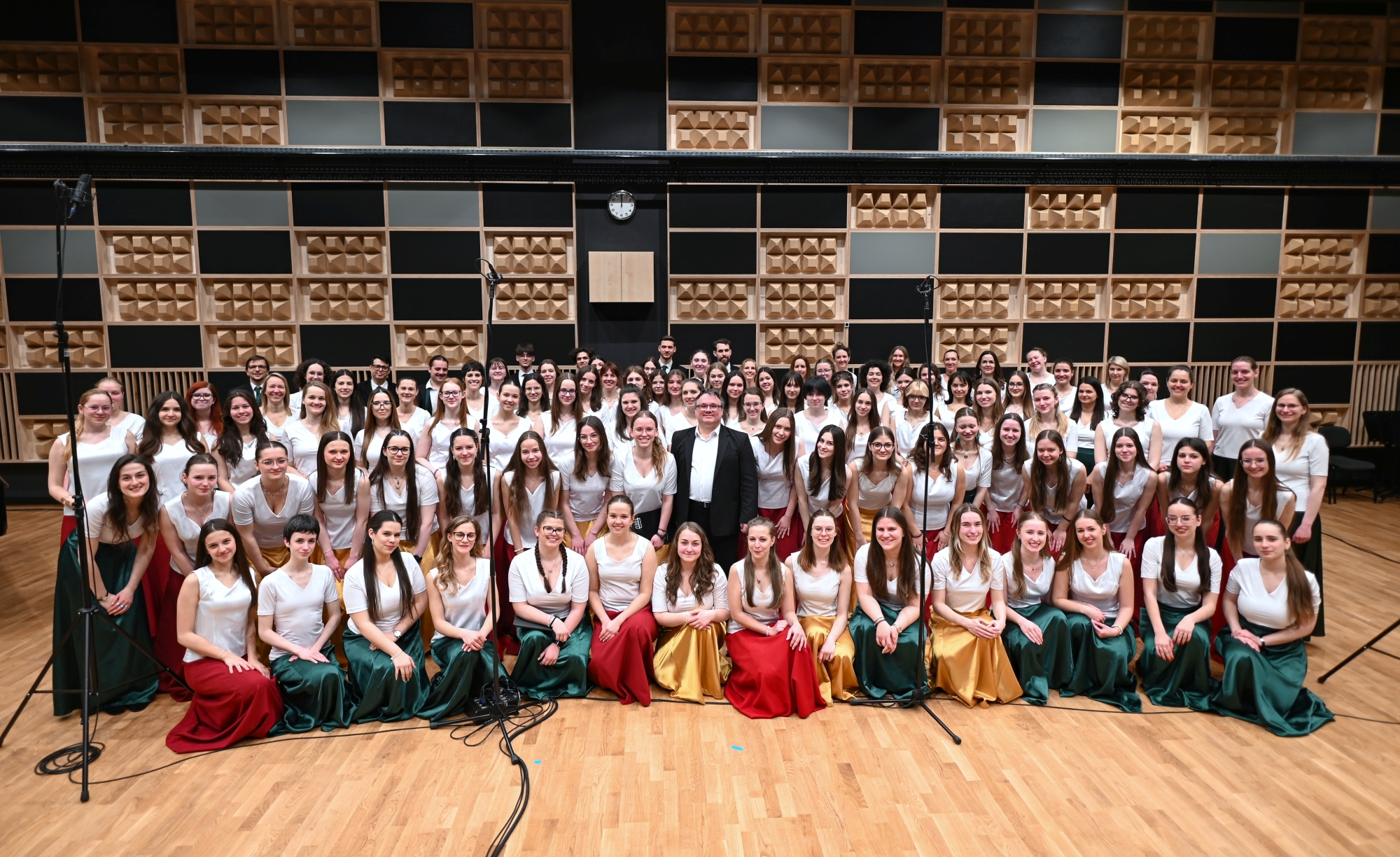
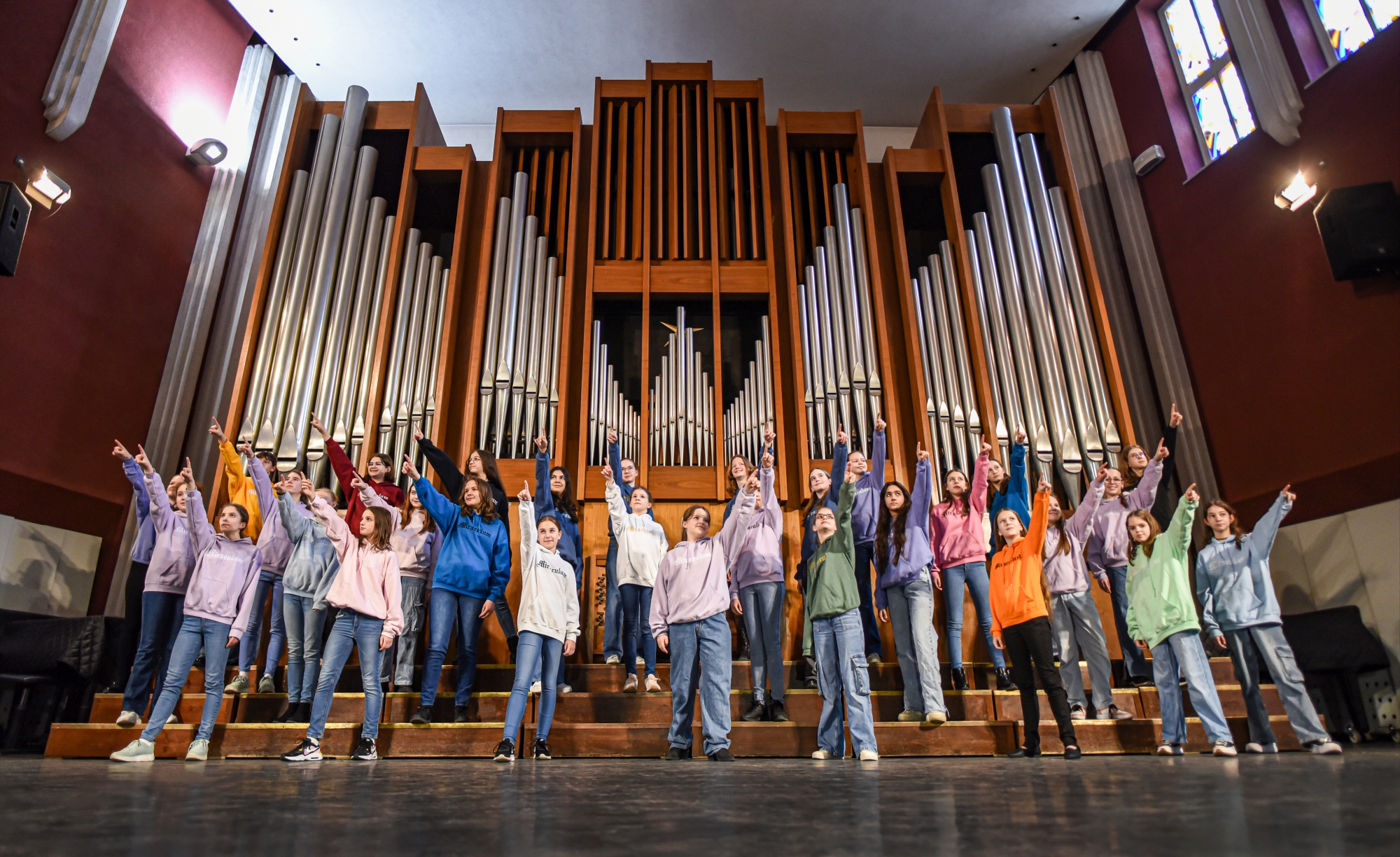
Aurin-Miraculum 30th Anniversary is a long-term programme of the Aurin and Miraculum Choir Family, developed in collaboration with Divisart. The project is currently in the planning phase, with implementation starting in April 2026. The programme explores how a 30-year artistic and educational legacy can be transformed into a living, forward-looking cultural system.
Rather than focusing on a single celebratory event, it asks:

How can a choir community built over decades remain active, visible, and meaningful across generations?
How can artistic work, memory, and identity be translated into formats beyond performance?

The project builds a bridge between tradition and contemporary practice – connecting concerts, storytelling, documentation, and visual communication into a coherent framework.

Our role in the project:

The anniversary programme is being developed through a structured planning process coordinated by Divisart in close collaboration with the Aurin and Miraculum Choir Family.

The concept phase includes:

  • defining the overall structure and timeline of the anniversary year
  • designing interconnected programme elements (concerts, recordings, content, visual identity)
  • preparing funding strategies and applications
  • establishing workflows for coordinated implementation

Our role is to create a clear, scalable system that supports both artistic quality and organisational sustainability.

Programme development

The anniversary is designed as a multi-layered programme that will unfold over more than a year.

The structure includes:

  • a series of concerts involving all ensembles across multiple locations
  • a planned recording and documentation process (audio and video)
  • a participatory storytelling programme engaging current and former members
  • a visual identity developed through contributions from the choir’s creative network

Each element is planned in parallel, ensuring that artistic production, content creation, and communication evolve together.

Participatory storytelling

A key component of the programme is the involvement of choir members and alumni in a curated writing process.

Participants will contribute short texts reflecting on:

  • personal experiences of choir life
  • the role of music in learning and identity
  • connections between community, performance, and everyday life

The process is structured through editorial guidance and thematic frameworks, resulting in a coherent publication that transforms individual memories into a collective narrative.

Visual identity and creative contributions

The project also activates former choir members working in visual and applied arts.

They will contribute to:

  • posters and concert visuals
  • graphic elements for digital and printed communication

This approach builds a community-driven visual identity, extending the choir’s presence beyond music while maintaining consistency and quality.

Impact and relevance

The Aurin-Miraculum 30th Anniversary is designed as more than a celebration – it is a model for long-term cultural development.

Reframing heritage

The programme treats tradition as an active resource, continuously reinterpreted through new formats and perspectives.

Connecting community and creation

By involving members and alumni in structured content production, the project turns participation into a meaningful, professional output.

Integrating artistic and communication processes

Concerts, recordings, storytelling, and visual design are developed as one system, strengthening both visibility and sustainability.
Kodály Z Gen

Kodály Z Gen

Client:
Aurin and Miraculum Foundation
Project:
Kodály Z Gen
Duration:
June 2024 – October 2025
Services:
Project coordination, Graphic design, Webdesign, Communication, Photography, Videography

Young choir singers

Short video series

hours of work

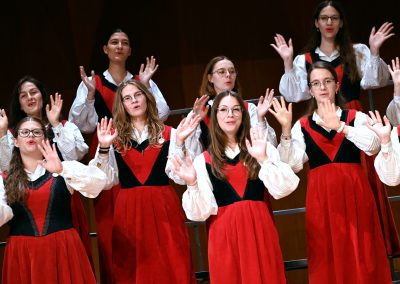
Kodály Z Gen is a project of the Aurin and Miraculum Choir Family, developed in collaboration with Divisart. The project explores how the Kodály concept can be understood, experienced, and communicated by today’s young musicians through their own voices, stories, and perspectives.
Rather than presenting Kodály’s legacy as a historical method, Kodály Z Gen reframes it as a living, evolving practice. It asks a simple but essential question:
How does a heritage-based music education system speak to Generation Z?
The project builds a bridge between tradition and contemporary culture connecting pedagogy, storytelling, and digital communication into a coherent and accessible format.

Our role in the project:

Kodály Z Gen was implemented through a youth-driven working model coordinated by Divisart in close collaboration with the Aurin and Miraculum Choir Family.

While Divisart provided the overall concept, structure, and professional framework of the project, the core implementation was carried out by a team of young choir singers. They were actively involved in all key processes: organising and coordinating the workflow, conducting interviews, participating in video production, and contributing to graphic design and website development.

Our role was to guide and support this process – ensuring clarity, consistency, and quality – while allowing space for independent thinking, decision-making, and creative ownership.

This approach transformed the project from a traditional communication exercise into a participatory learning experience, where young musicians not only reflected on the Kodály concept, but also learned how to translate their experiences into structured content and visual communication.

Research and content development

The project began with a structured survey involving more than 200 young participants with Kodály-based music education backgrounds.
The aim was not only to collect data, but to understand lived experiences:

  • how solfa appears in everyday thinking,
  • how music education influences memory, logic, and emotional awareness,
  • how young musicians relate to community, performance, and identity.

The results revealed a deeply embedded, often unconscious connection to Kodály principles – showing that the method is not only learned, but internalised.

Storytelling and narrative system

Based on the collected responses, we developed a series of personal stories written from the perspective of teenage choir singers.
These stories:

  • translate abstract pedagogical concepts into real-life situations,
  • connect music education to school life, stress, friendships, and personal growth,
  • demonstrate how musical thinking extends beyond the rehearsal room.

The narrative approach was intentionally minimal and authentic – allowing the voice of the young generation to become the central medium of the project.

Video series and digital adaptation

A 46-part short video series was created to bring these stories into a contemporary format.

Divisart developed:

  • the visual direction and content structure,
  • the adaptation of written stories into short-form scripts,
  • a consistent visual and narrative language across all videos.

The result is a social media-ready content system that presents Kodály’s ideas through relatable, everyday experiences.

Visual identity and communication

The project required a visual language that reflects both heritage and contemporaneity.

We created a communication system that is:

  • clean, minimal, and youth-oriented,
  • adaptable across social media platforms,
  • aligned with the tone of personal storytelling.

Rather than using traditional institutional aesthetics, the focus was on clarity, relatability, and emotional connection.

Impact and relevance

Kodály Z Gen demonstrates that music education is not only a system of teaching, but a way of thinking.

Reframing heritage

The project shows that Kodály’s principles are still present in how young musicians perceive music, learning, and the world – often without consciously recognising it.

Empowering youth voices

By placing storytelling in the hands of the participants, the project turns students into narrators of their own educational experience.

Connecting education and communication

Kodály Z Gen bridges the gap between pedagogy and contemporary media, making complex ideas accessible through simple, human stories.

Aurin and Miraculum Choir Family

Aurin-Miraculum Choir Family Visual Identity System

Client:
Aurin and Miraculum Foundation
Project:
Brand design concept
Duration:
January 2025 –
Services:
Brand identity, Fashion, Graphic design, Logo design, Website

choirs

Designs printed

choir members

The Aurin–Miraculum Choir Family is one of Hungary’s most prominent choral communities, uniting five ensembles across generations and artistic focuses. Our collaboration began with a clear goal – to create a comprehensive brand identity system that reflects their shared artistic values while preserving each choir’s individuality. Over time, it has evolved into a complex, ongoing design project that connects logos, colors, patterns, websites, concert visuals, and even clothing into one recognizable brand world.
Concept & challenge

When we began, each choir already had a distinct identity. The Miraculum Children’s Choir used its classic Old English type logo – a reference to its origin in Hungary’s long-standing choral tradition – while the Aurin Choir Family had a more refined, contemporary emblem. Both were strong and deeply rooted in their own stories.

The challenge was to build a unified visual system around these existing logos that could connect the choirs without replacing what they already represented. The aim was to bring together tradition and modernity, creating harmony across printed materials, digital communication, concert visuals, and even performance wear – while ensuring that each ensemble’s personality remained intact.

Visual system & logo integration

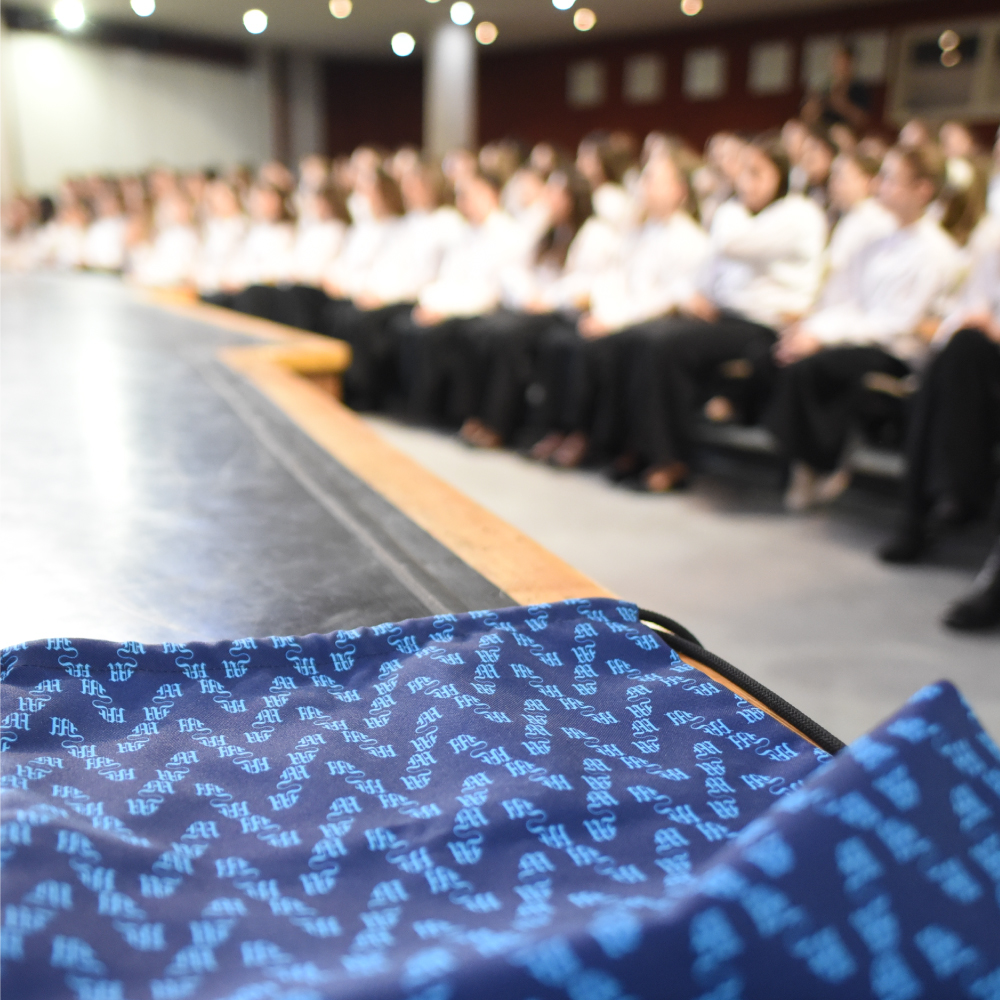
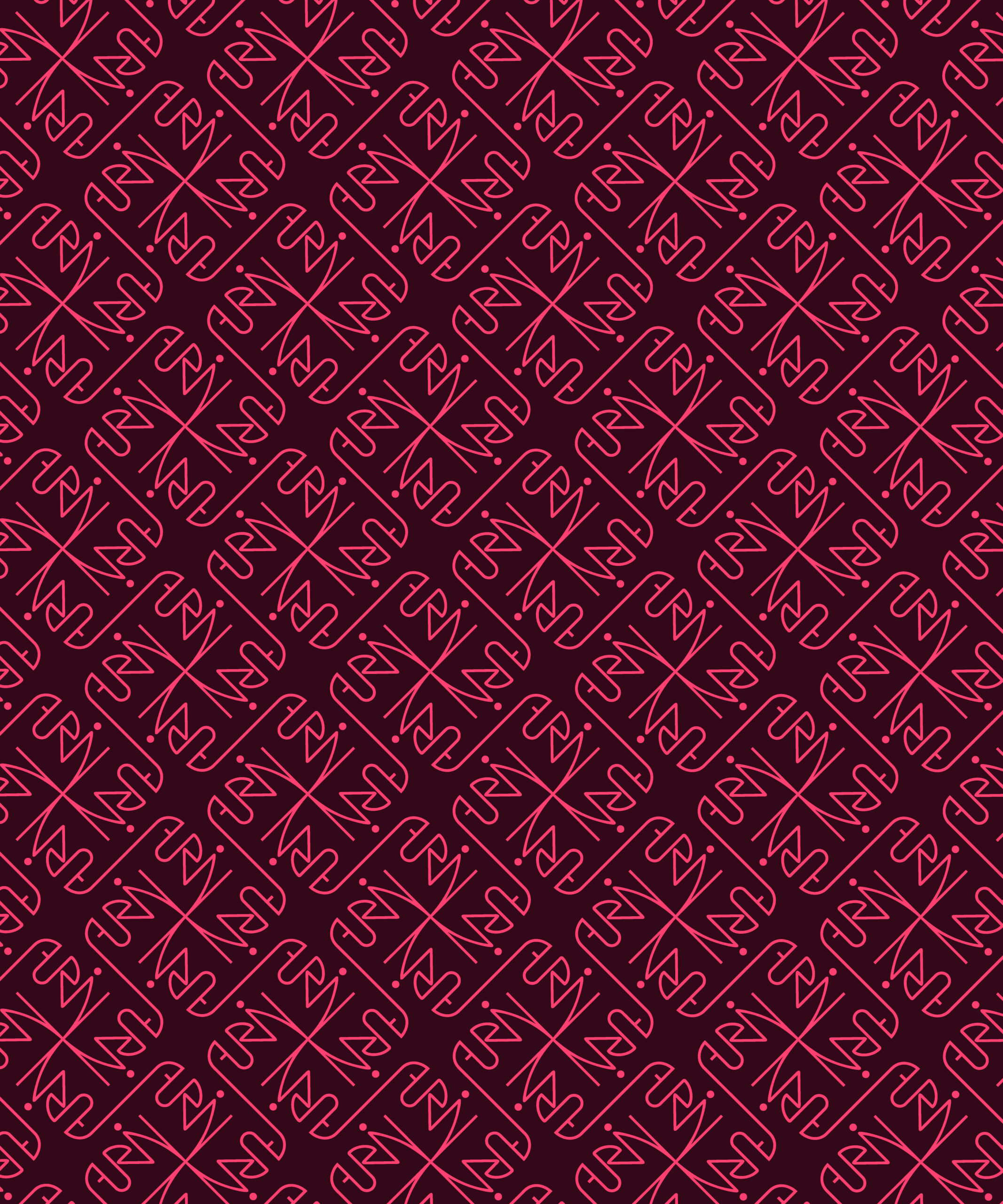
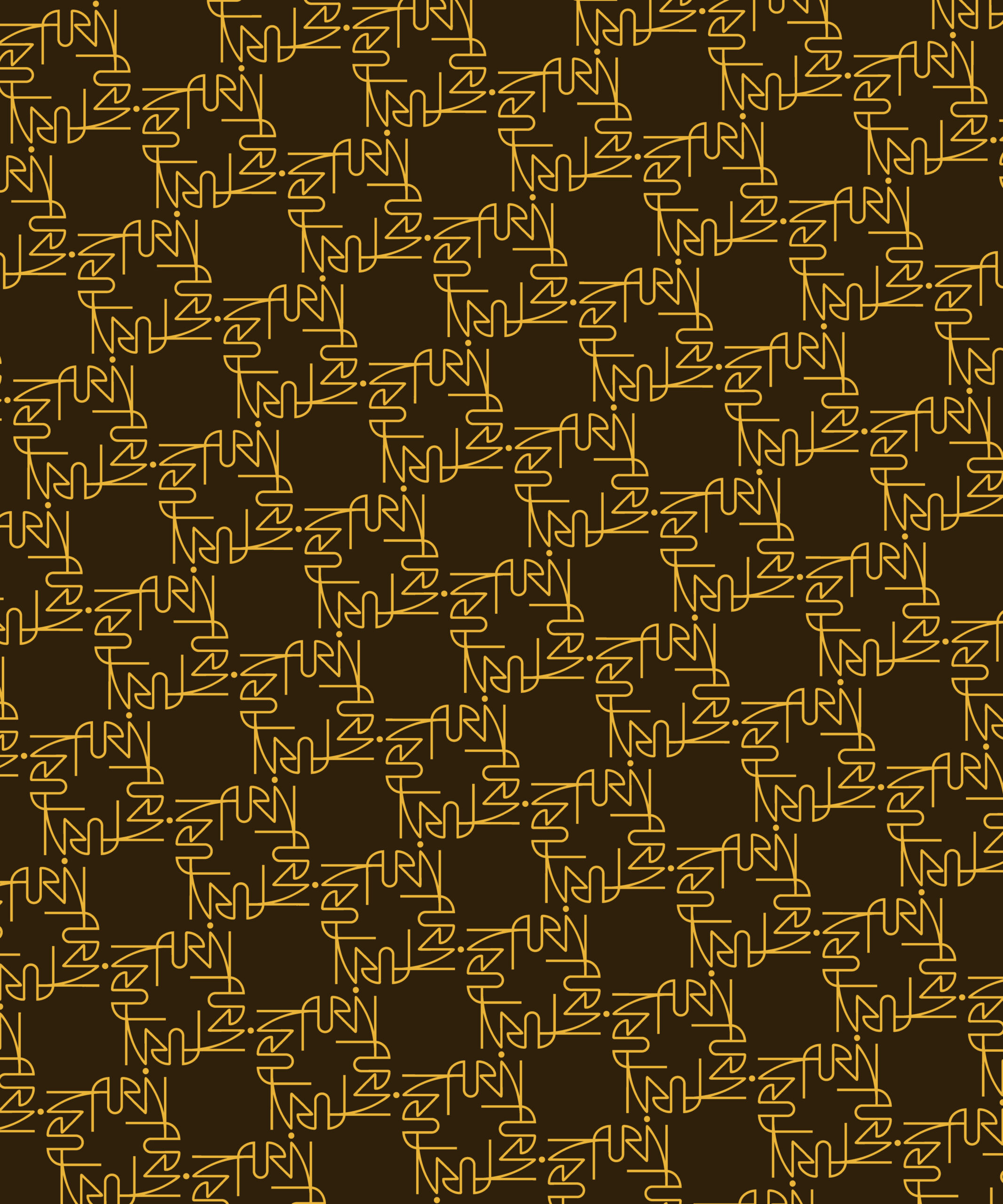
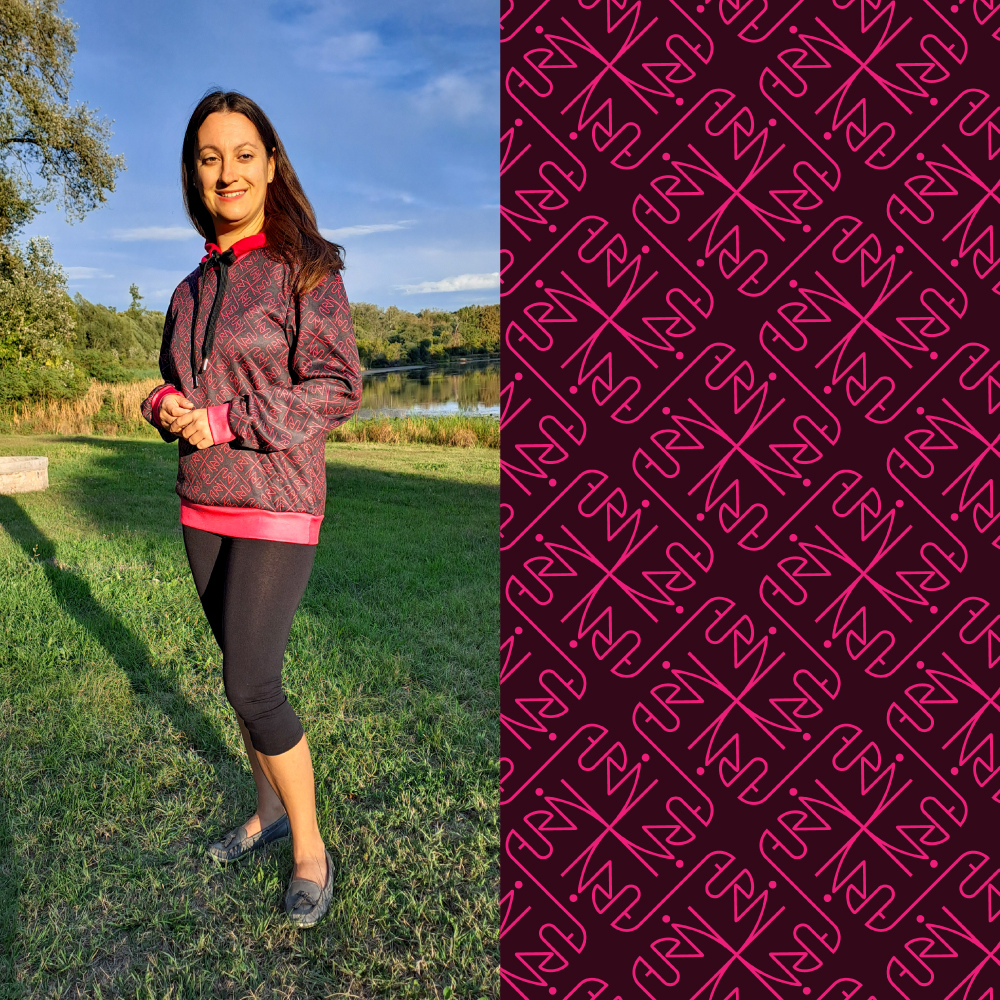
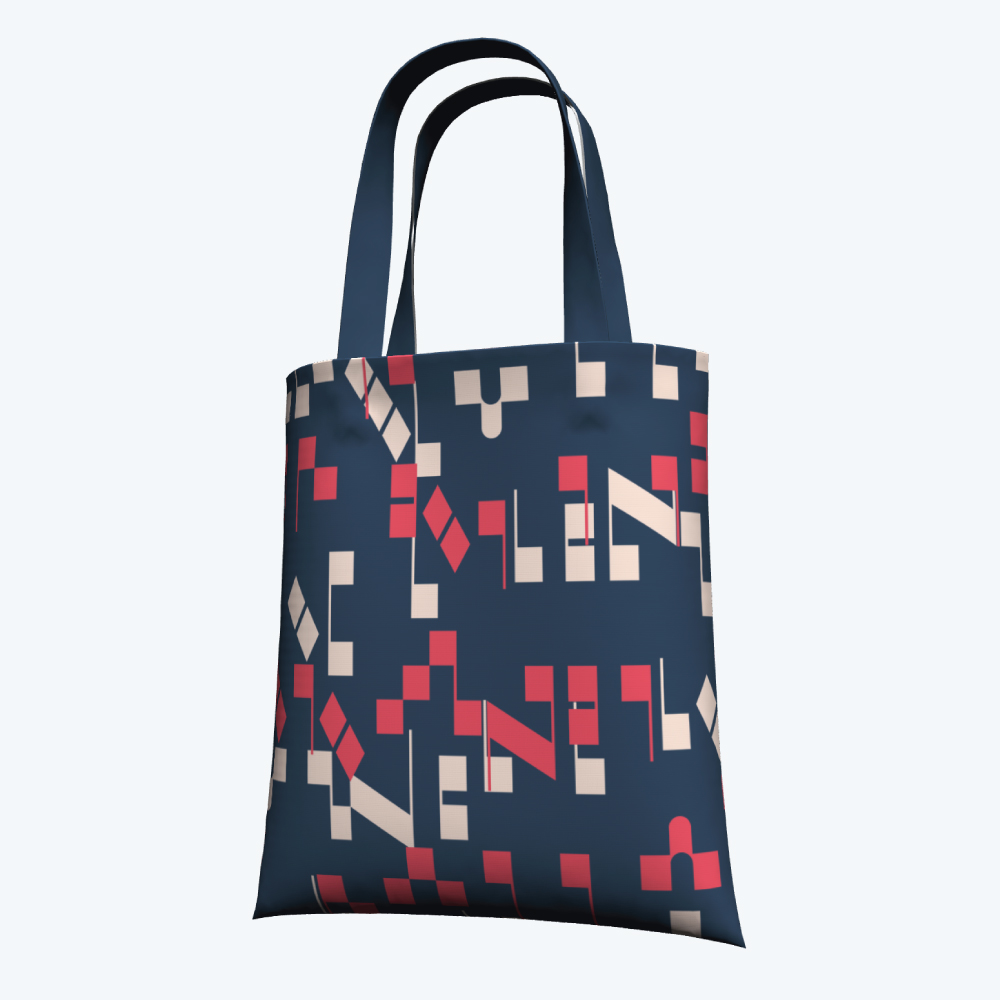
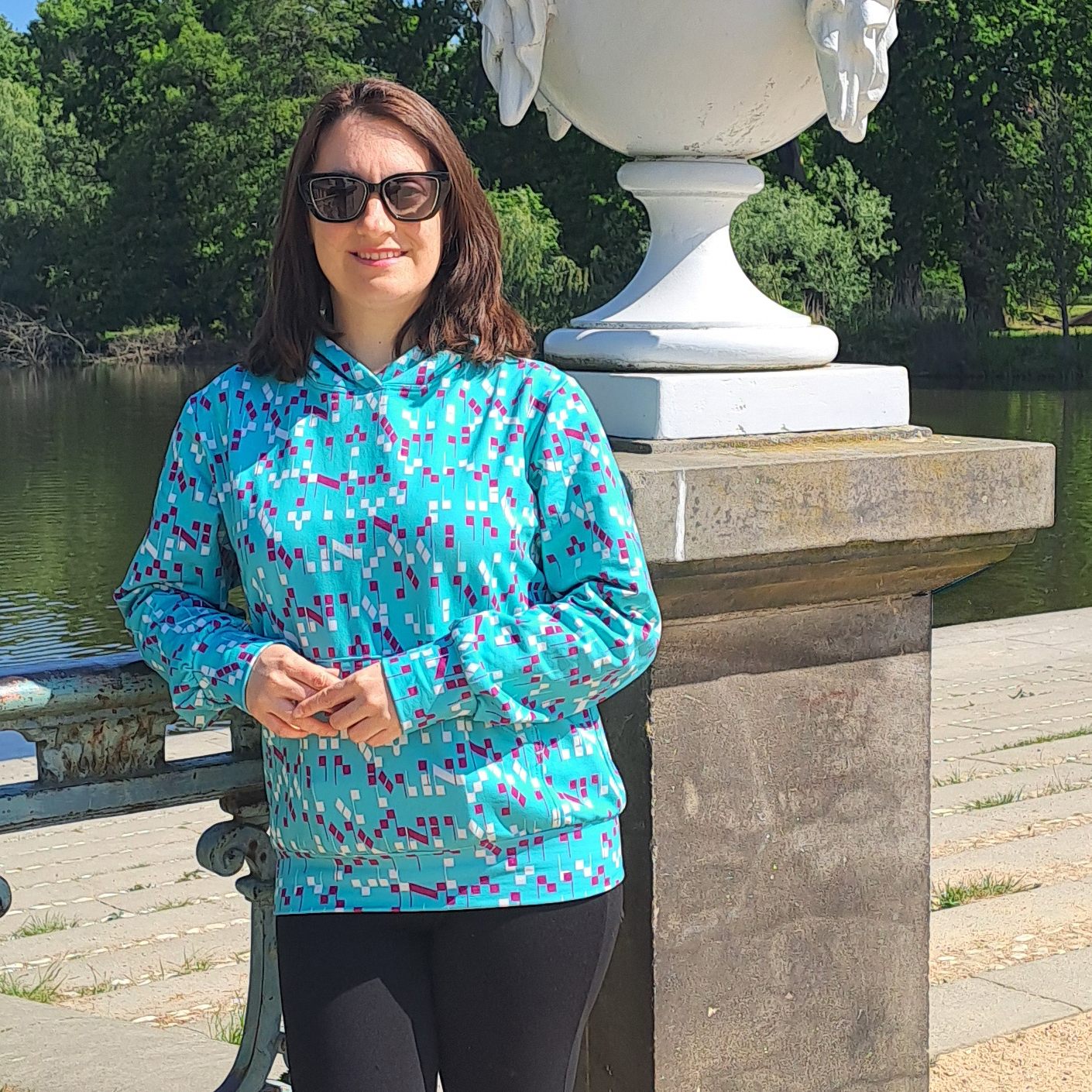
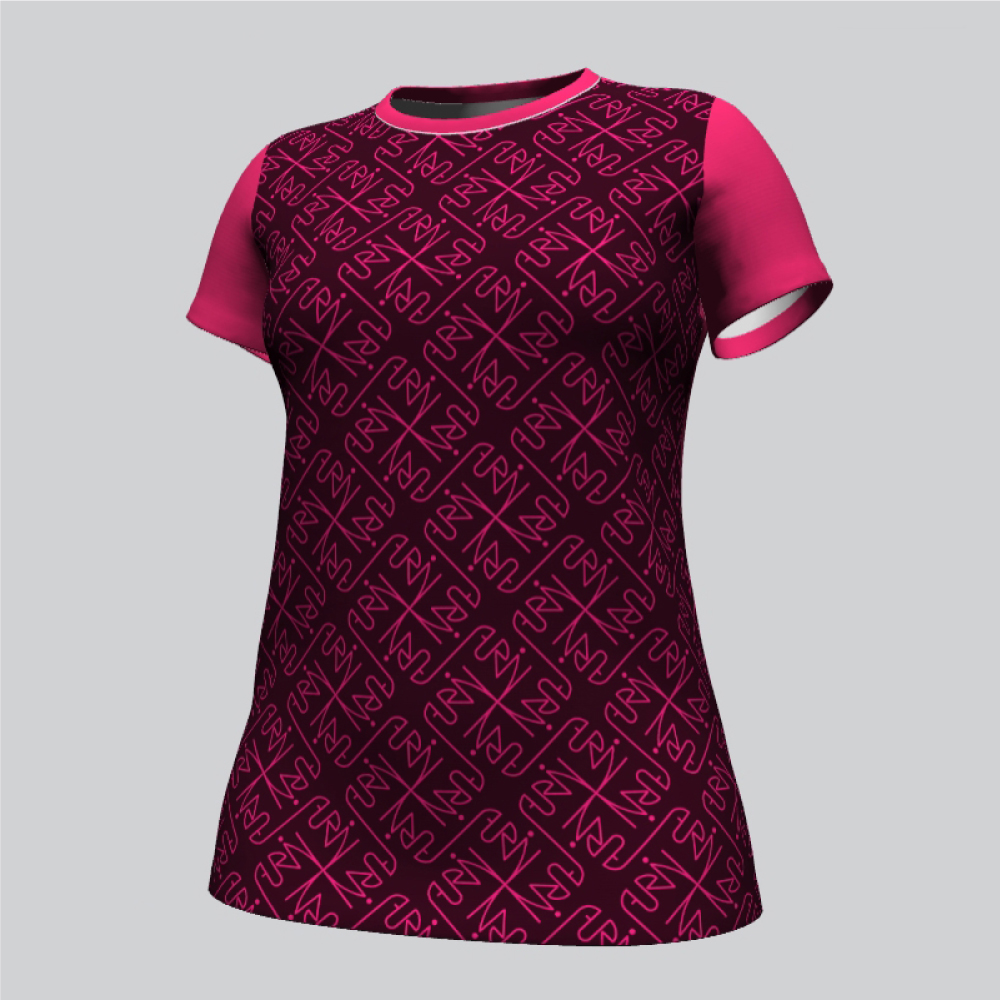
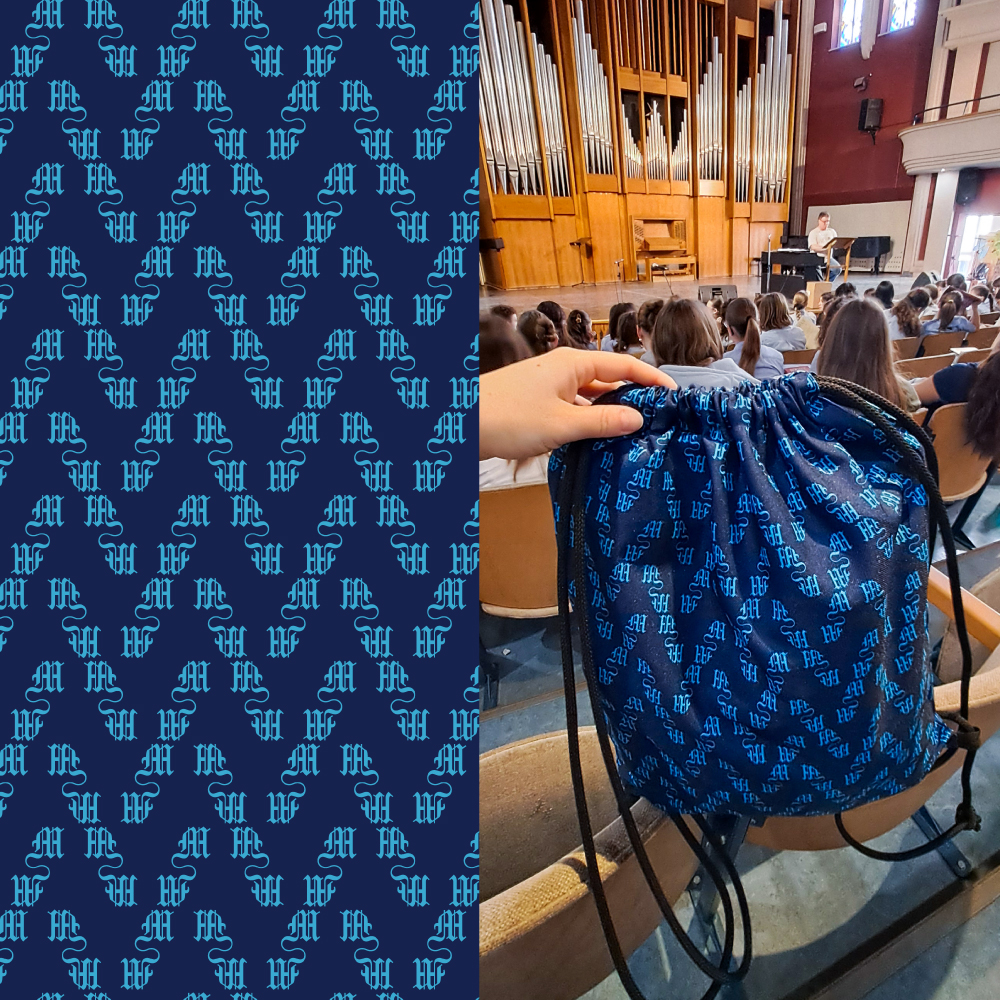
Rather than redesigning the choirs’ existing logos, we developed a visual system that expands upon them. The characteristic forms and lettering of both Aurin and Miraculum became graphic motifs and pattern elements used throughout the visual universe, in website backgrounds, posters, program covers, and templates.
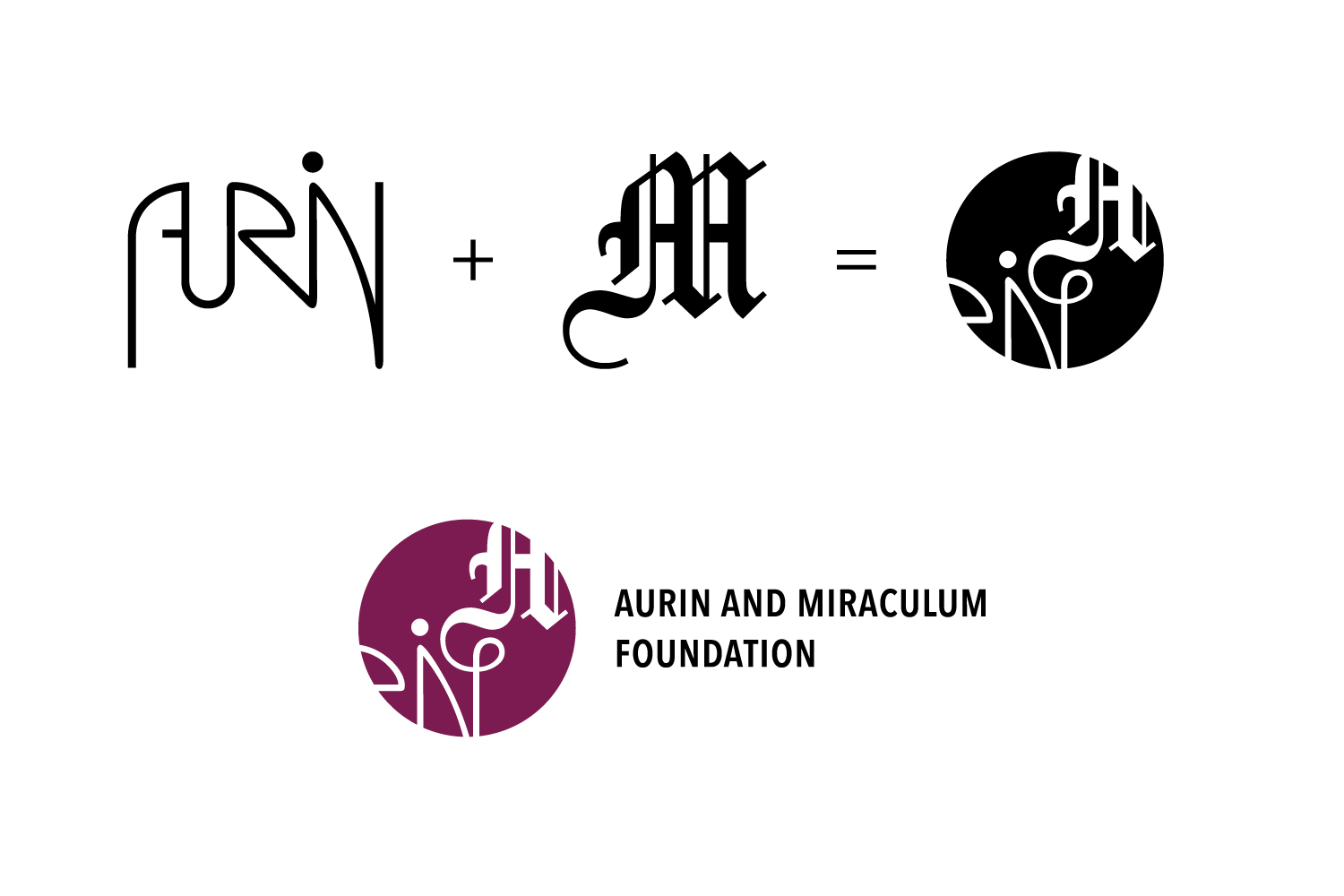
The only new symbol created was the logo of the Aurin–Miraculum Foundation. Built from fragments of both original emblems, it forms a circular shape symbolizing unity and collaboration. This circle connects the choirs’ visual worlds, acting as a central emblem for the foundation and a bridge between all related materials.
This system allows the Aurin–Miraculum identity to remain authentic while gaining coherence – a blend of inherited character and contemporary design.

Color identity & recognition

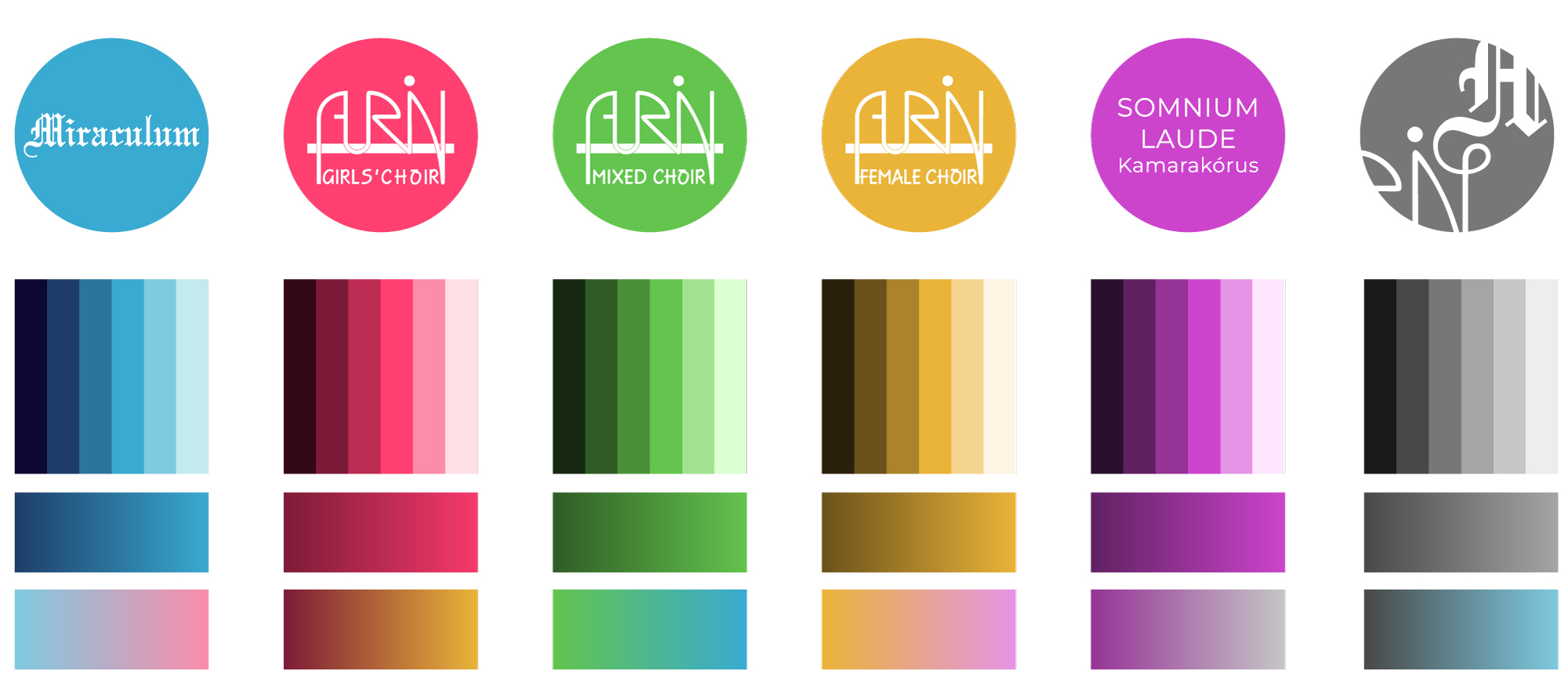
Each choir within the Aurin–Miraculum Family now has its own color signature, designed to reflect its character and stage presence.
These colors act as visual identifiers across every platform from the smallest social media icon to printed concert programs or the website’s interface. This consistent palette helps audiences immediately recognize each choir while reinforcing the unity of the entire family. It has become a visual rhythm running through all communication — subtle yet unmistakable.
Digital platform & communication design

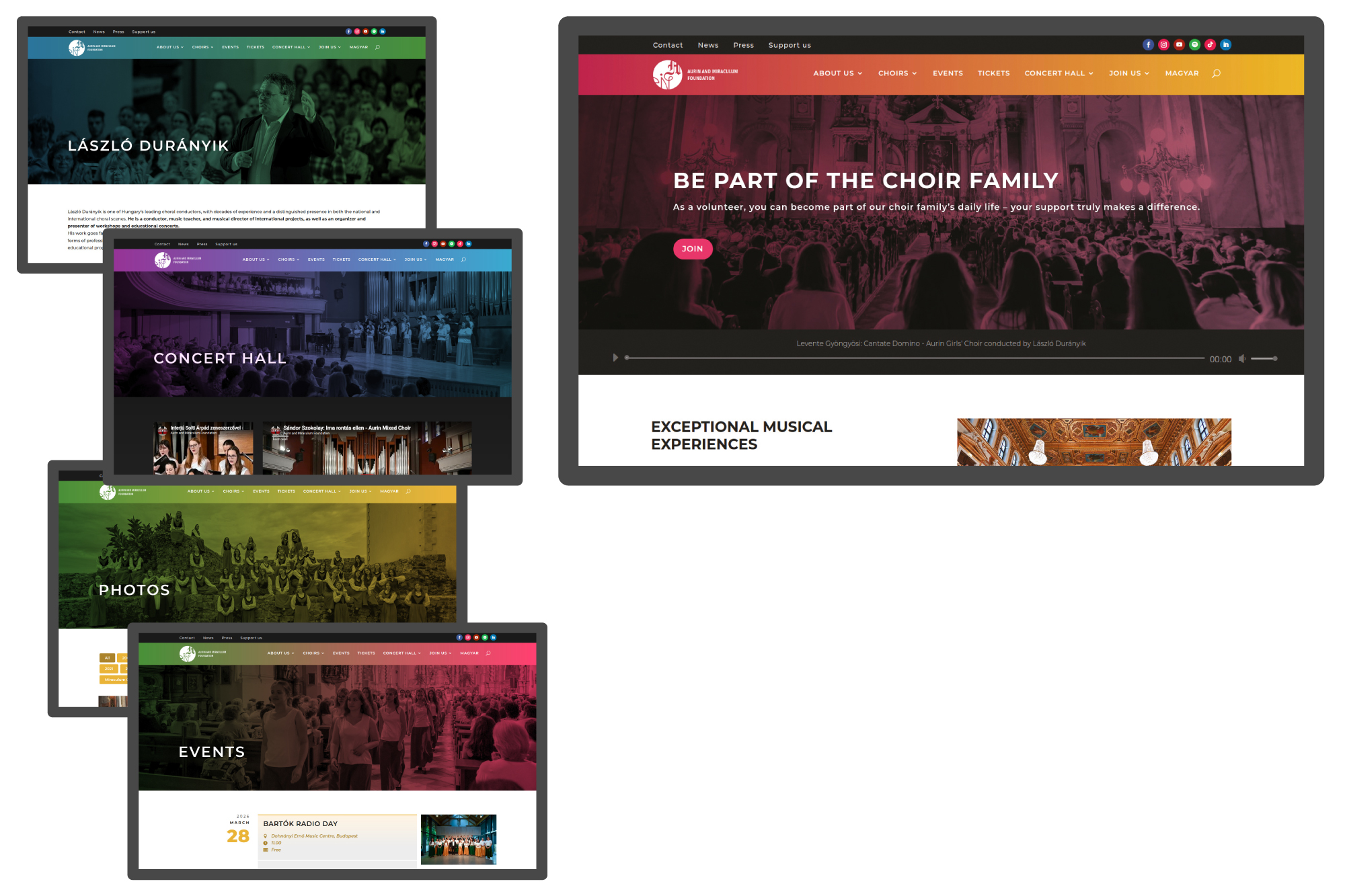
The website, www.aurin-choir.hu, serves as the core of the visual system. Designed to organize a large amount of content – from concerts and tours to archives and news – it combines functionality with a strong emotional presence.
Our approach was to balance clarity and atmosphere: creating an easily navigable structure enhanced by the brand’s visual language – color codes, logo-based patterns, and unified typography. The result is a comprehensive, living platform that grows alongside the choirs’ activities, ensuring that every concert announcement, image, or update fits into the same cohesive visual world.
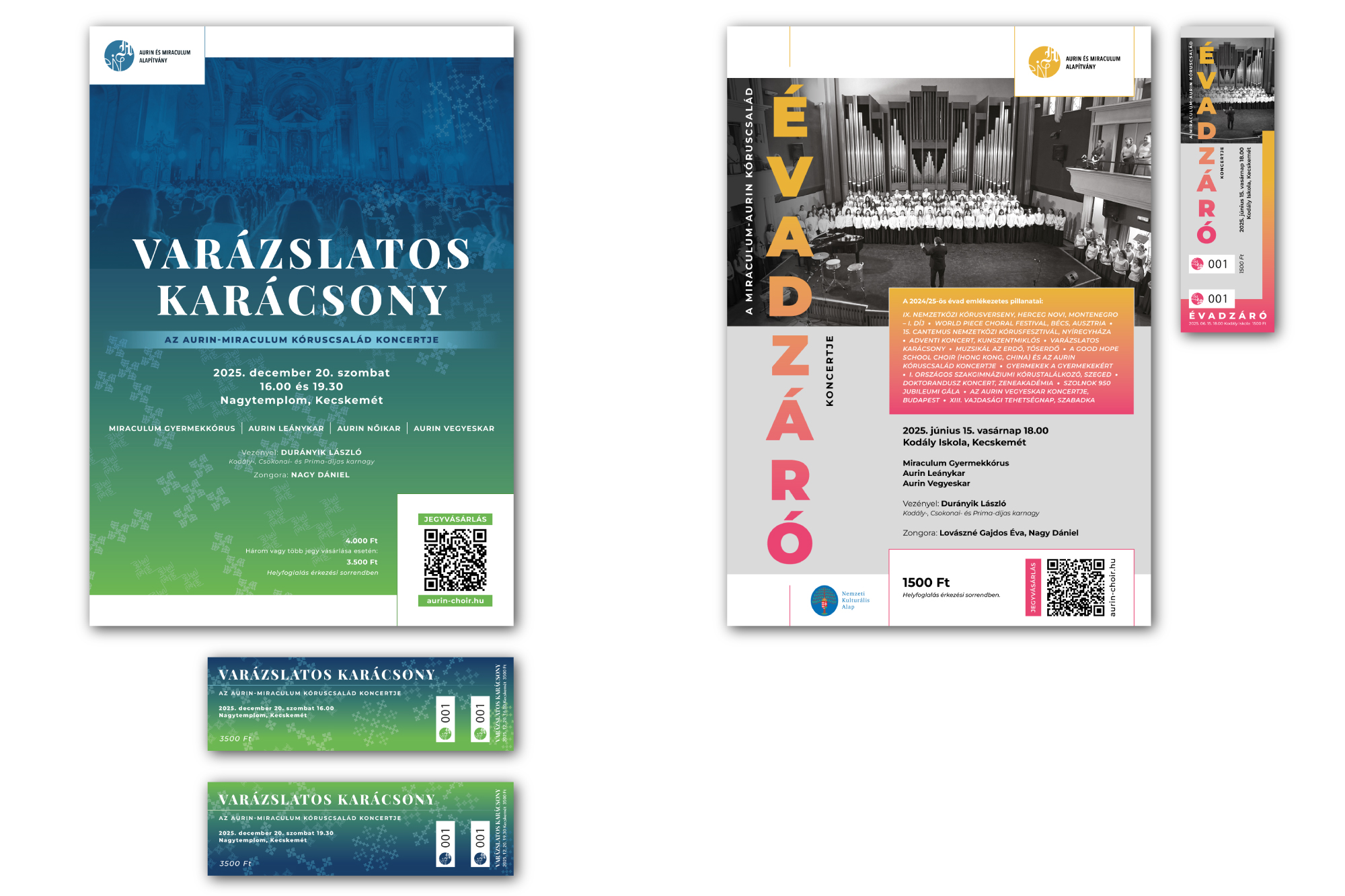
We extend this system into concert graphics as well, carefully composing color combinations from the palette to reflect both the choirs involved and the character of each program.

Visual presence & collaboration with pitch-stitch

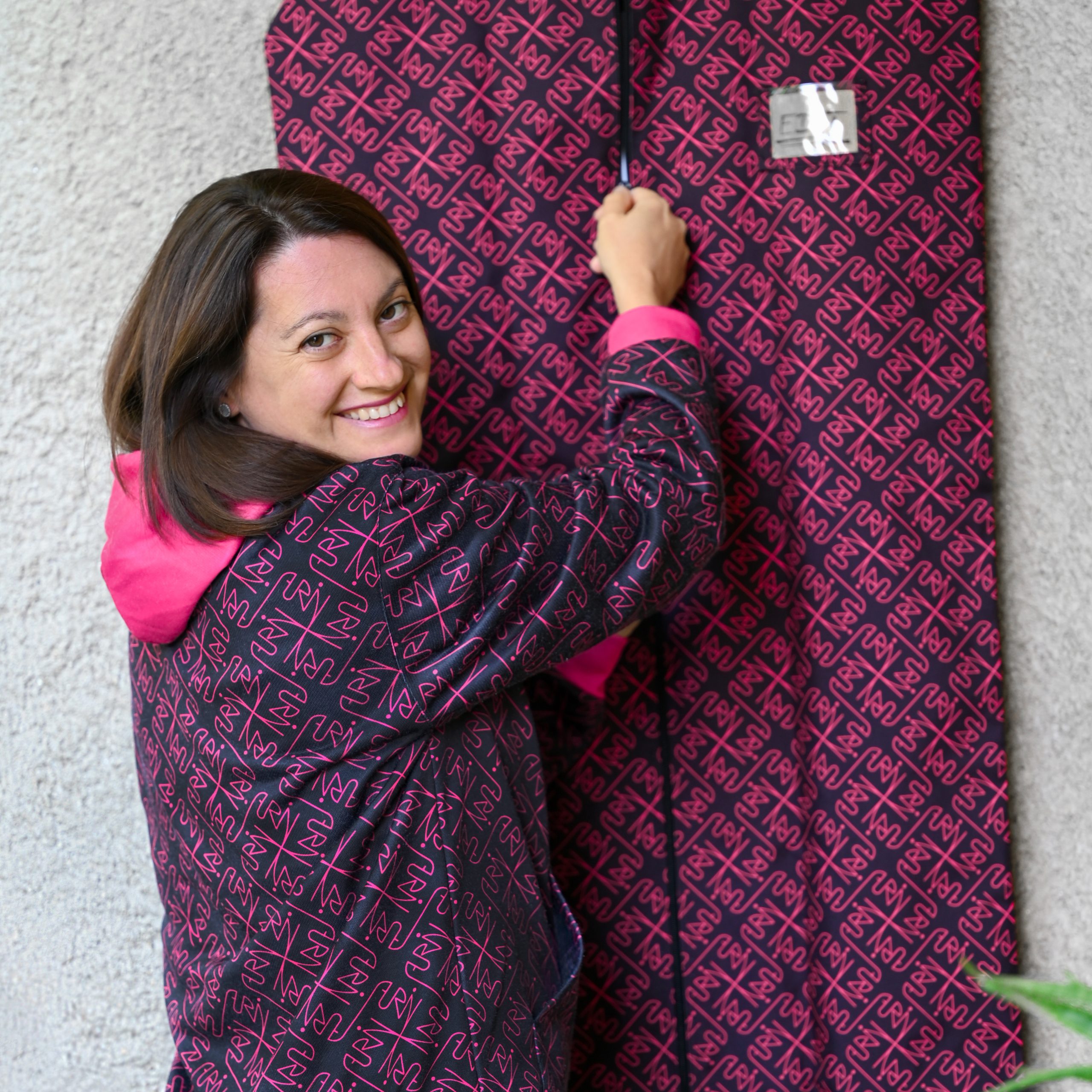
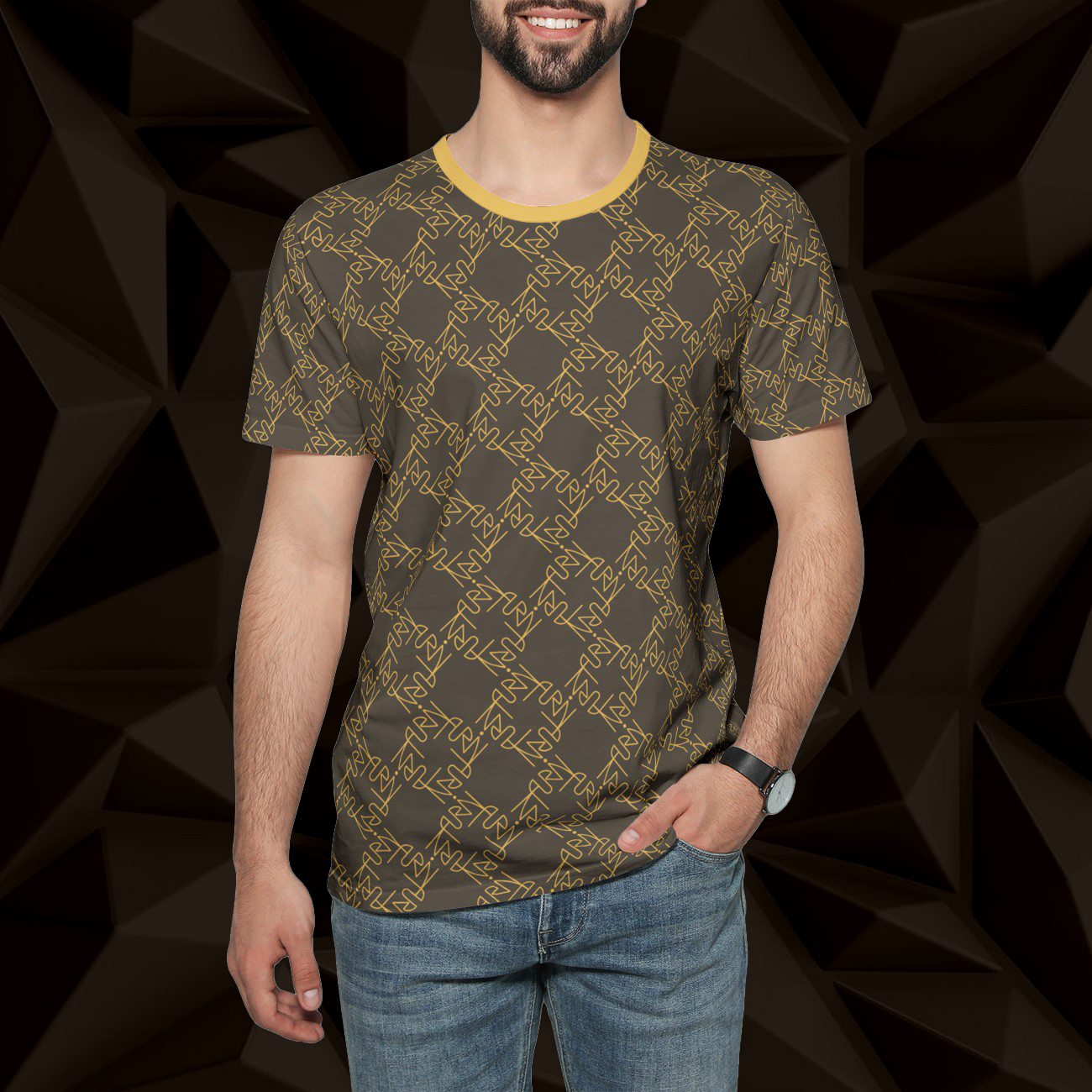
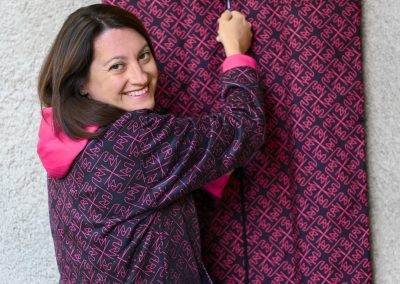
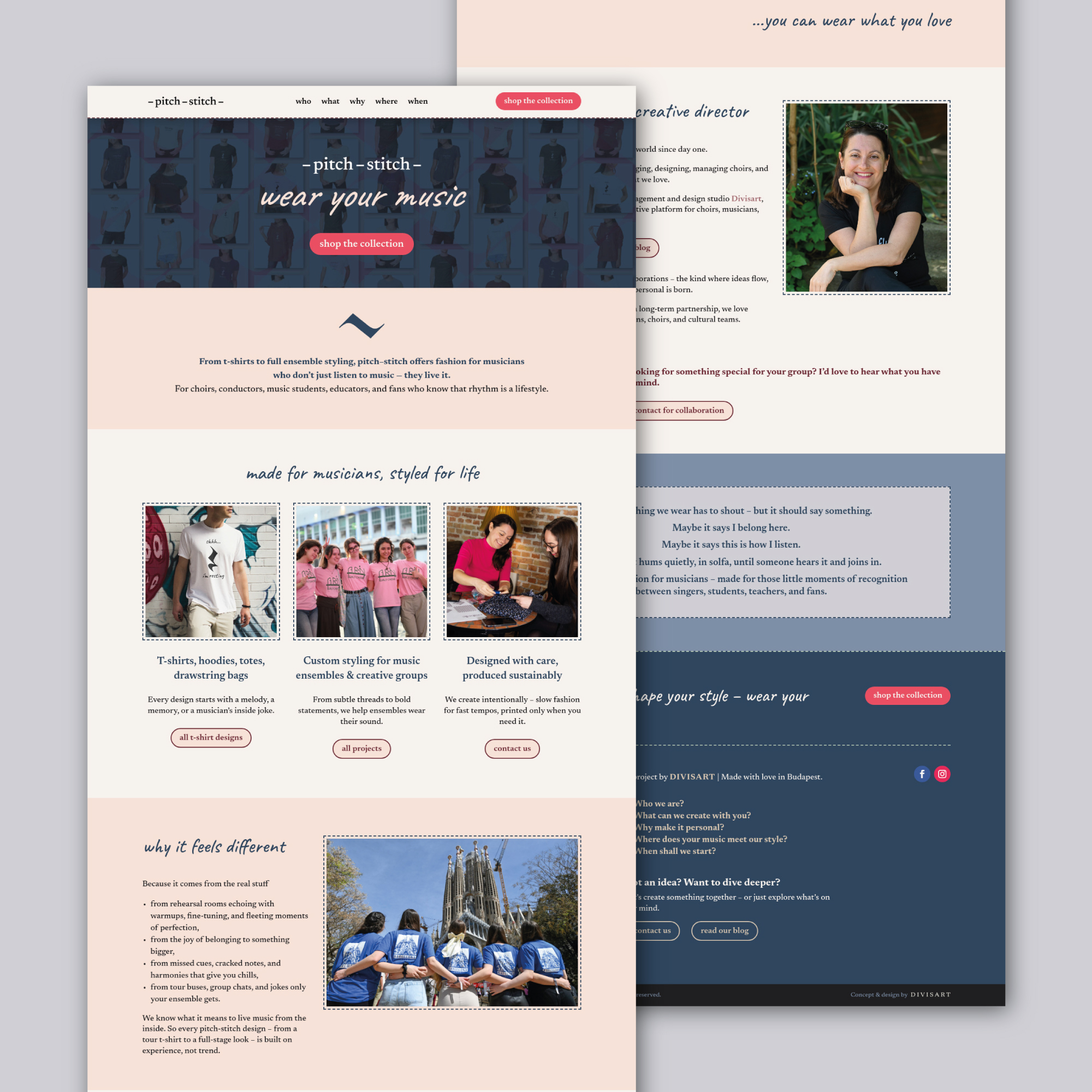
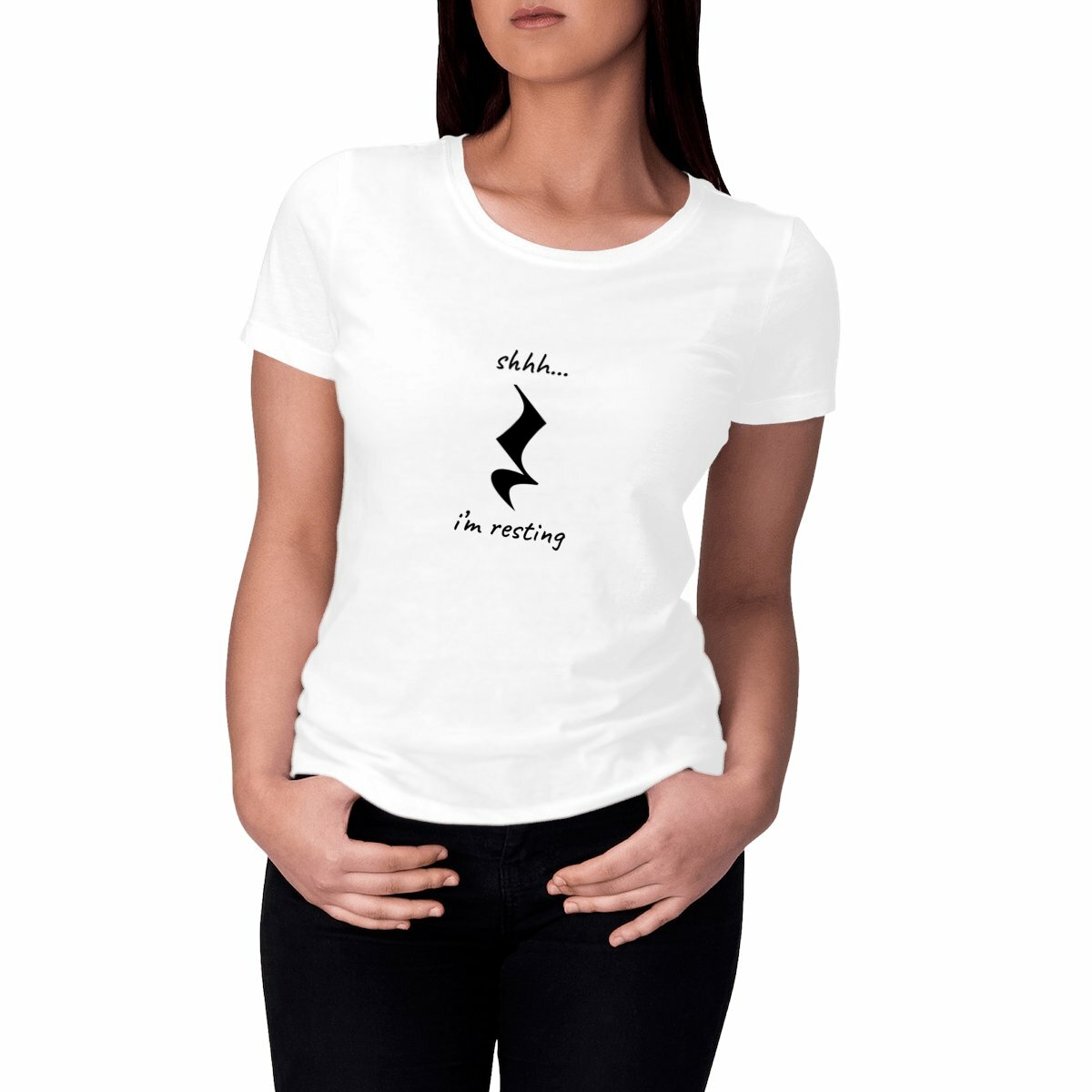
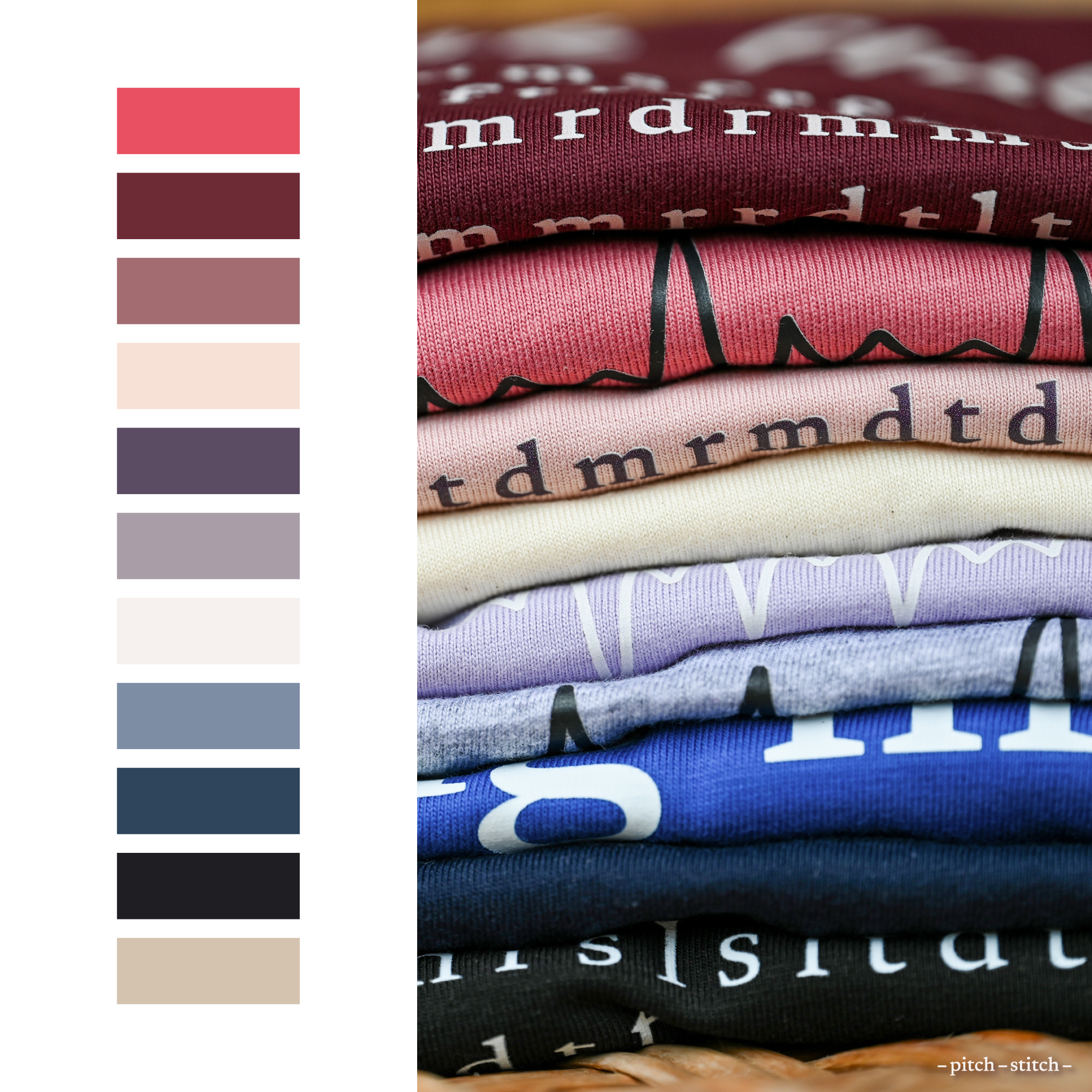
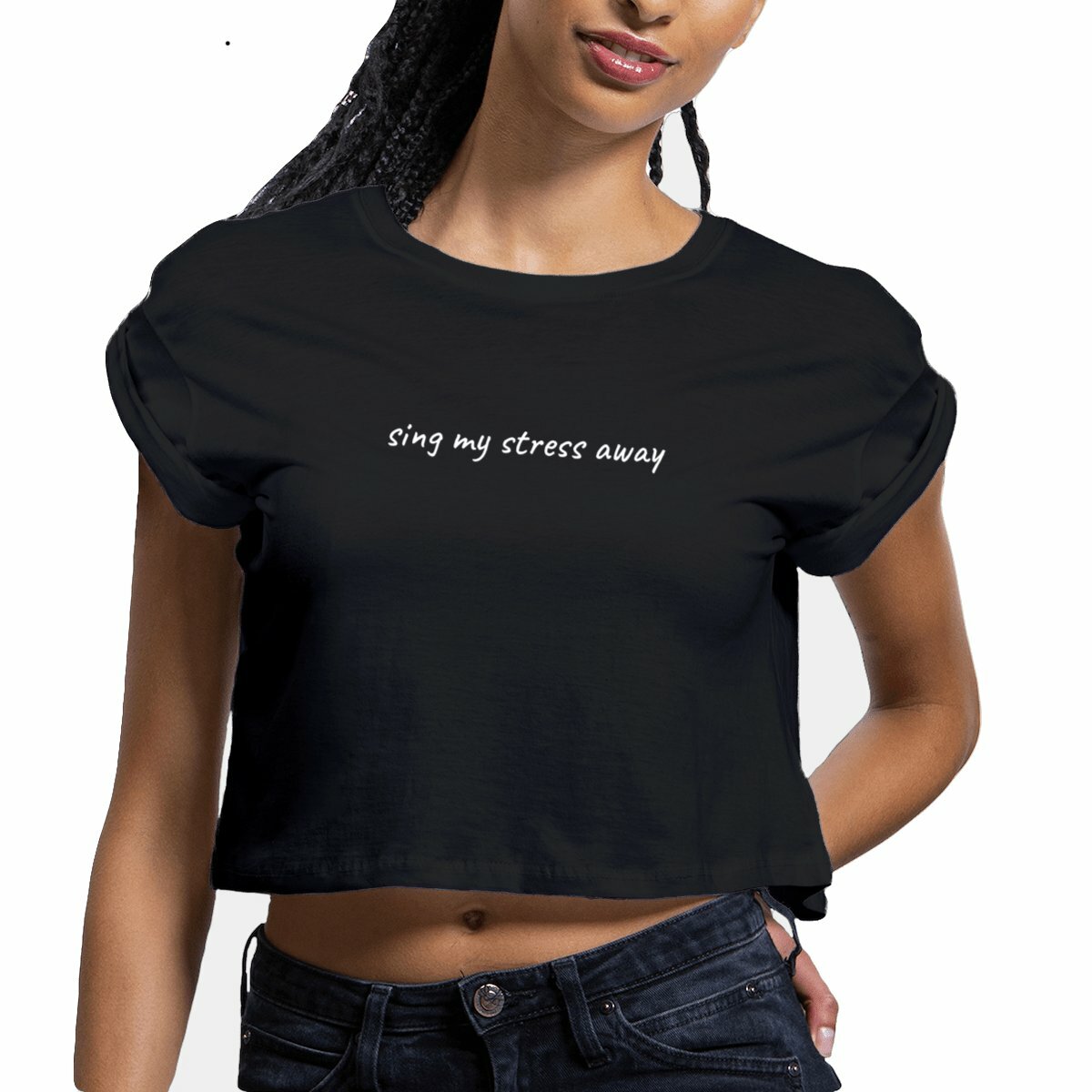
The Aurin–Miraculum identity extends across both digital and physical dimensions from posters and printed programs to concert backdrops and stagewear. In collaboration with pitch-stitch, we design clothing and accessories that translate the choirs’ identity into wearable form.
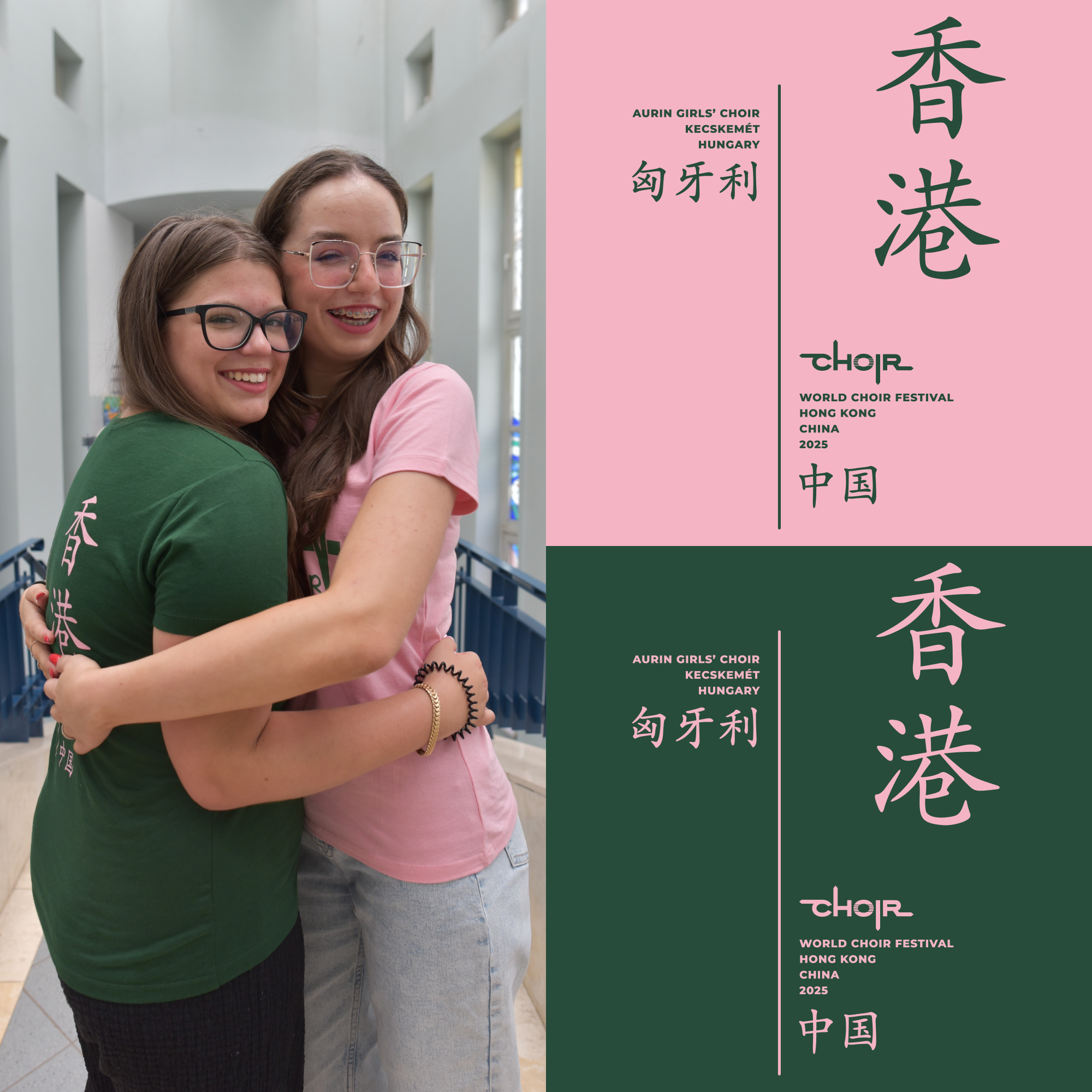
For the Hong Kong tour, this included custom-made t-shirts, raincoats, and clothing bags, featuring the choirs’ signature motifs and colors. These items unite practicality with visual storytelling, turning the choirs’ brand into something that accompanies them wherever they perform.

Impact & ongoing development

The unified brand identity has strengthened communication, improved recognition, and brought new coherence to how the Aurin–Miraculum Choir Family presents itself on national and international stages.
From the very beginning, this was conceived as a brand design concept, not merely a logo exercise. It has since developed into a comprehensive visual ecosystem, where each color, line, and pattern contributes to the same narrative – a family of choirs connected through music, tradition, and shared values.
The project continues to evolve: new applications are added each season – concert visuals, digital campaigns, and clothing designs – ensuring that the Aurin–Miraculum identity remains as dynamic and vibrant as the music it represents.

Math and Music

Ma.Mu. – Math & Music

Client:
Aurin and Miraculum Foundation
Project:
Math and Music – Ma.Mu
Duration:
May 2024 – June 2025
Services:
Project coordination, Print design, Game development, Communication, Photography, Videography

Partner countries

Training hours

New music games

Divisart is proud to be a key contributor in the international Erasmus+ project, “Math and Music” (Ma.Mu.) for Aurin and Miraculum Foundation. The project explores how music can become a powerful tool for developing mathematical thinking – especially for children with dyscalculia—through creative, experience-based learning.
Led by the Italian association Bellezza DIeCI, and implemented with international partners, Ma.Mu. represents a forward-thinking approach to interdisciplinary education: one that connects pedagogy, creativity, and design into a coherent system.

Our role in the project:

At Divisart, we were not only involved in coordination and communication, but played a key role in shaping the methodology, visual system, and game-based learning approach of the project.

Project coordination and administration

We managed the Hungarian activities of the project, ensuring alignment with international partners and maintaining the professional and administrative framework required for a complex Erasmus+ collaboration. This included planning, reporting, and facilitating communication across countries and disciplines.
A key milestone was the international working meeting in Kecskemét (November 2024), where partners came together to evaluate the collected materials, test activities in real educational settings, and define the structure of the final output. The workshop included live demonstrations with the Aurin Girls’ Choir, offering immediate feedback from a real learning environment.

Music game development and methodology design

At the heart of Ma.Mu is the development of music-based games that translate mathematical concepts into physical, audible, and visual experiences.

We contributed to:

  • the creation and systematisation of 33 structured music games
  • the integration of rhythm, movement, and pattern recognition into learning processes
  • the development of a methodology that works without requiring musical background from teachers

These games form a flexible toolkit that can be adapted to different age groups and learning contexts, while maintaining a strong conceptual connection between music and mathematics.

Handbook design and development

Divisart led the visual and structural design of the project’s main intellectual output:
a digital, open-access handbook.

The handbook includes:

  • theoretical background on dyscalculia and inclusive pedagogy
  • clearly structured activity descriptions (goal – activity – outcome – variations)
  • visual guidance and supporting media (including videos developed during the project)

Our focus was to create a system that is not only informative, but intuitive, usable, and visually engaging – bridging the gap between educational theory and real-life classroom application.

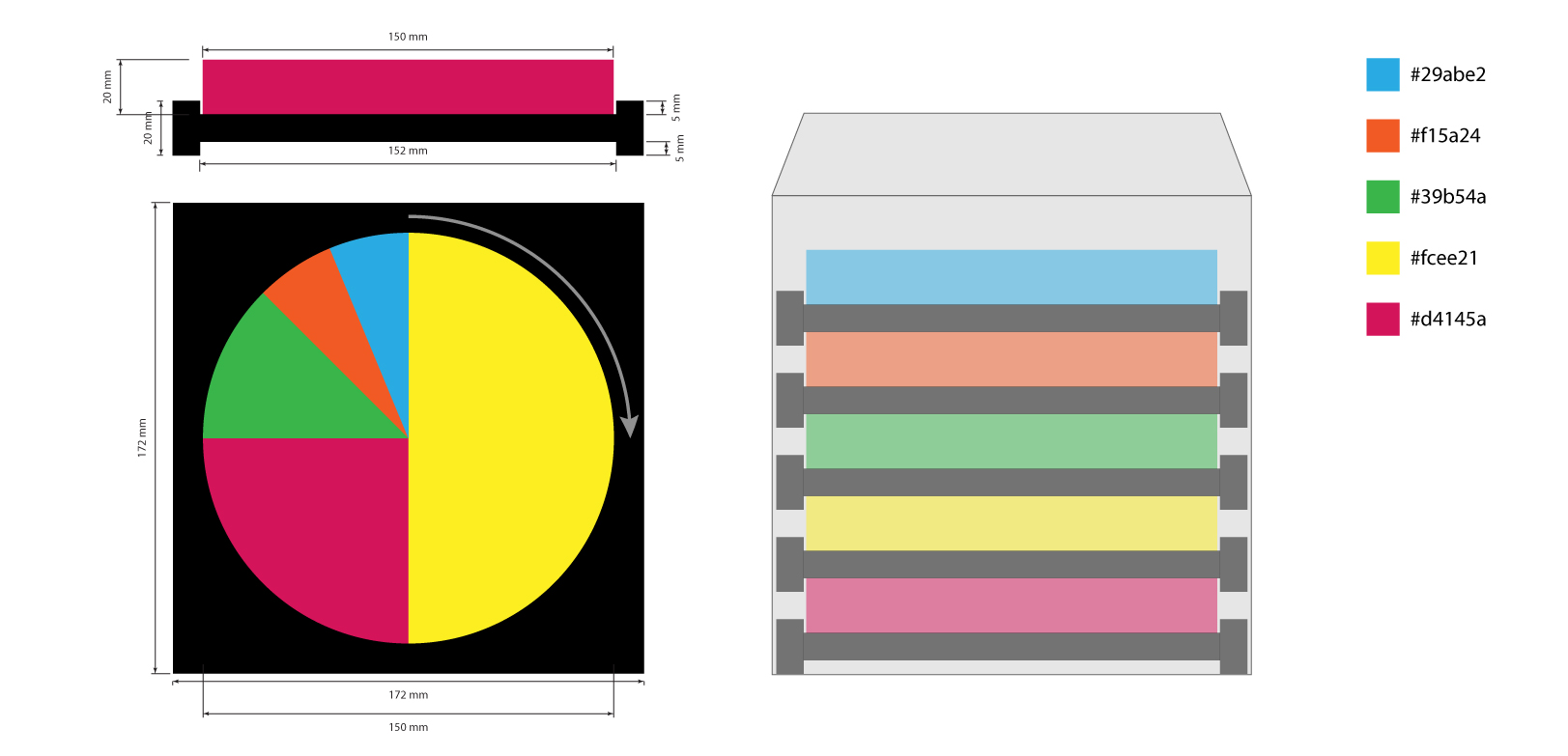
In addition to the handbook, a downloadable music-based sudoku (download here) is also available in two difficulty levels, further extending the practical application of the methodology.

Communication and documentation

We were responsible for documenting the project and making its results visible:

  • photo and video production during workshops and testing phases
  • dissemination through articles, social media, and public presentations
  • communication of results to both professional and general audiences

This ensured that the project’s impact extends beyond its immediate participants.

Closing phase and future directions

The project concluded with an international meeting in Naples, where partners evaluated the results, reflected on the testing phase, and discussed future applications.

The outcomes confirmed that Ma.Mu is not just a completed project, but a scalable model:

  • the handbook can be expanded and adapted
  • the games can be integrated into other subjects and educational systems
  • the methodology can serve as a foundation for further international collaborations

Impact and relevance

Ma.Mu demonstrates how design thinking, music, and education can work together to address real challenges.

Supporting learners

By transforming abstract mathematical concepts into sensory and interactive experiences, the project opens new pathways for students who struggle with traditional learning methods.

Empowering educators

Teachers receive practical, ready-to-use tools that make inclusive teaching more accessible without requiring additional specialisation.

Building collaborative systems

The project highlights the importance of cross-sector collaboration, bringing together educators, designers, musicians, and researchers to create meaningful educational innovation.